
The Mental Mistake 90% of Golfers Don’t Realize They’re Making

By Kevin Cotter, PGA

Every golfer believes their inconsistency comes from swing mechanics, tempo, or setup.
But the truth is far simpler—and far more powerful.

Most golfers fall into the same predictable pattern:

They react to outcomes instead of committing to intentions.

And this one mental mistake quietly destroys rounds, confidence, and rhythm more than anything else.

Let’s break it down.


The Hidden Trap — Playing Reactive Golf

A reactive golfer plays golf after the swing is over.

They judge the shot.
They tighten on the next one.
They shift their focus.
They lose rhythm.
They chase a “quick fix” mid-round.

The pattern looks like this:

  • Hit a poor shot → emotional spike
  • Try harder on the next one → tension rises
  • Overcorrect → mechanics collapse
  • Confidence wavers → performance spirals

Instead of controlling their state, they let the result control them.

This is reactive golf—and almost every golfer does it.


The Elite Difference — Playing With Intention

Great players aren’t perfect. They miss fairways and greens like everyone else.

But they don’t let the miss define the next swing.

They commit to an intention before the swing and judge success based on:

  • Did I commit?
  • Did I choose the correct shot?
  • Did I stay neutral after the outcome?

Outcome is information.
Intention is control.

This is the foundation of playing intentional golf.


Why Intention Matters More Than Mechanics

Your mechanics don’t break down randomly.
They break down when your mind and body become misaligned.

Intention creates:

  • clarity
  • consistency
  • confidence
  • rhythm
  • freedom

When intention is strong, your movement becomes organized.

When intention collapses, tension takes over.

If you want reliable mechanics, you must first control your mental process—because it controls everything else.


The 3-Step Reset to Stop Reactive Golf

Here is a simple, tour-tested process you can use immediately:


1. Pause the Reaction

Right after the shot, do nothing.
No judgment.
No emotion.
Just a breath.

This creates space—it’s the difference between reacting and responding.


2. Ask the Only Question That Matters

“Did I commit to the shot?”

If yes → accept and move on.
If no → reset your process—not your swing.

This question puts you back in control.


3. Anchor the Next Intention

Before the next shot, define:

  • target
  • shape or trajectory
  • feel or cue
  • acceptance

When intention is clear, the body organizes itself around it.

This is the secret to consistent golf.


How This One Shift Lowers Scores

When you stop reacting and start committing, three things happen almost immediately:

1. Your tension levels drop

You no longer “try harder” or “force” swings.

2. Your misses improve

A committed miss is almost always playable.

3. Your rhythm stabilizes

You stop jumping between swing thoughts, fixes, and emotional reactions.

Most golfers think they need a better swing.
What they really need is better intention.


Final Thought — The Shot Matters Less Than the State You’re In

Consistency comes from your mental state, not your mechanics.

If you can adopt one change today, let it be this:

Judge each shot by your commitment, not your outcome.

It will radically change the way you play golf.


Ready to Transform Your Mental Game?

This concept—and dozens of others like it—is explored in depth in my book,
The Modern Psychology of Golf.

If these concepts resonated, and you’re ready to build further clarity, confidence, and consistency on the course, you’ll love the deeper mental strategies inside the book 👉 Amazon.
4 Essential Golf Tips From Jeeno Thitikul, Nelly Korda, Brooke Henderson & Minjee Lee

By Brendon Elliott, PGA

Published on Saturday, November 22, 2025

The leaderboard at the CME Group Tour Championship tells a story that goes beyond scores and prize money.

After two rounds in Naples, Florida, we’re watching four of the world’s finest players demonstrate what separates good golf from great golf. And here’s the thing: the lessons they’re teaching us aren’t reserved for tour professionals.

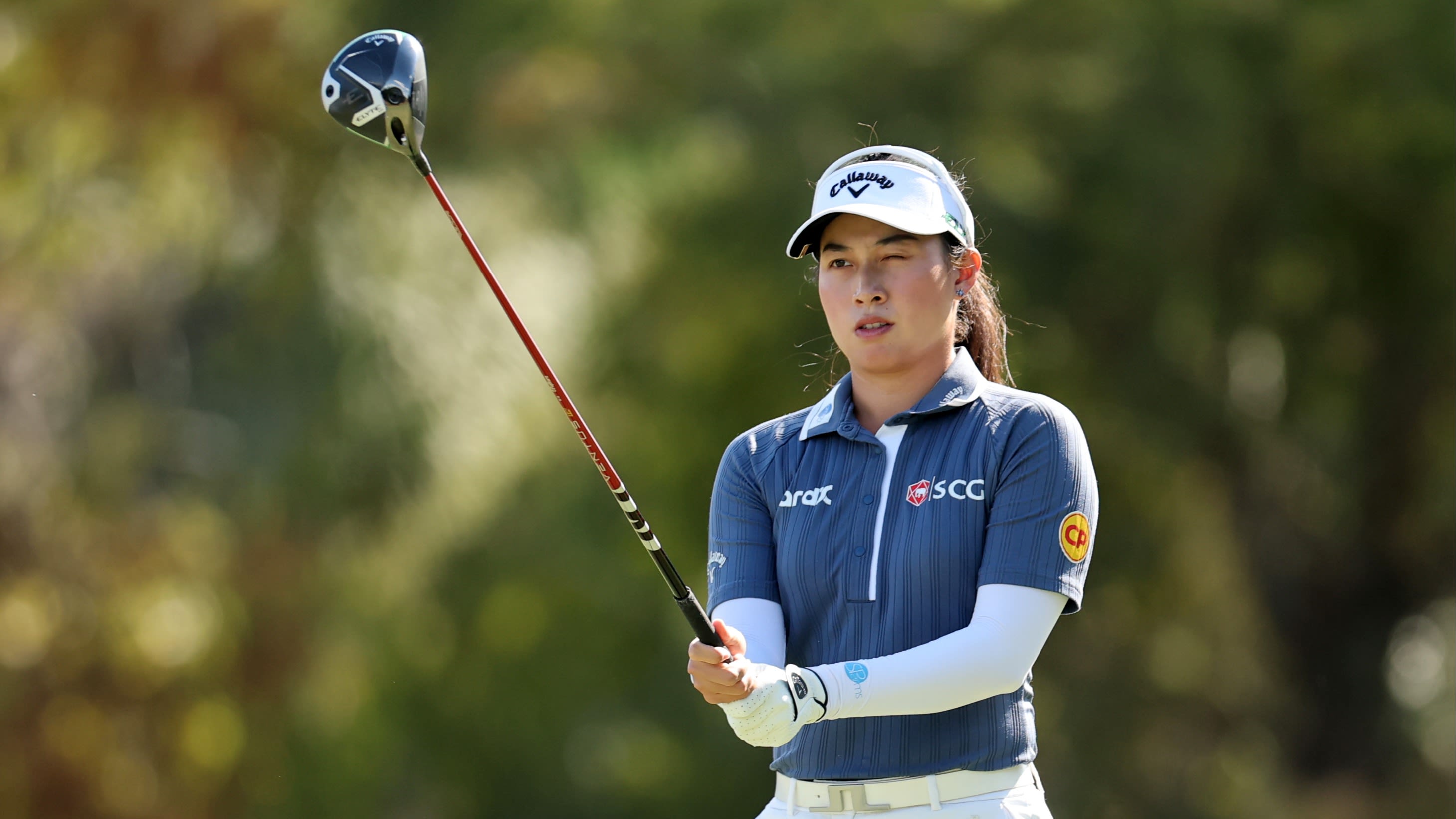
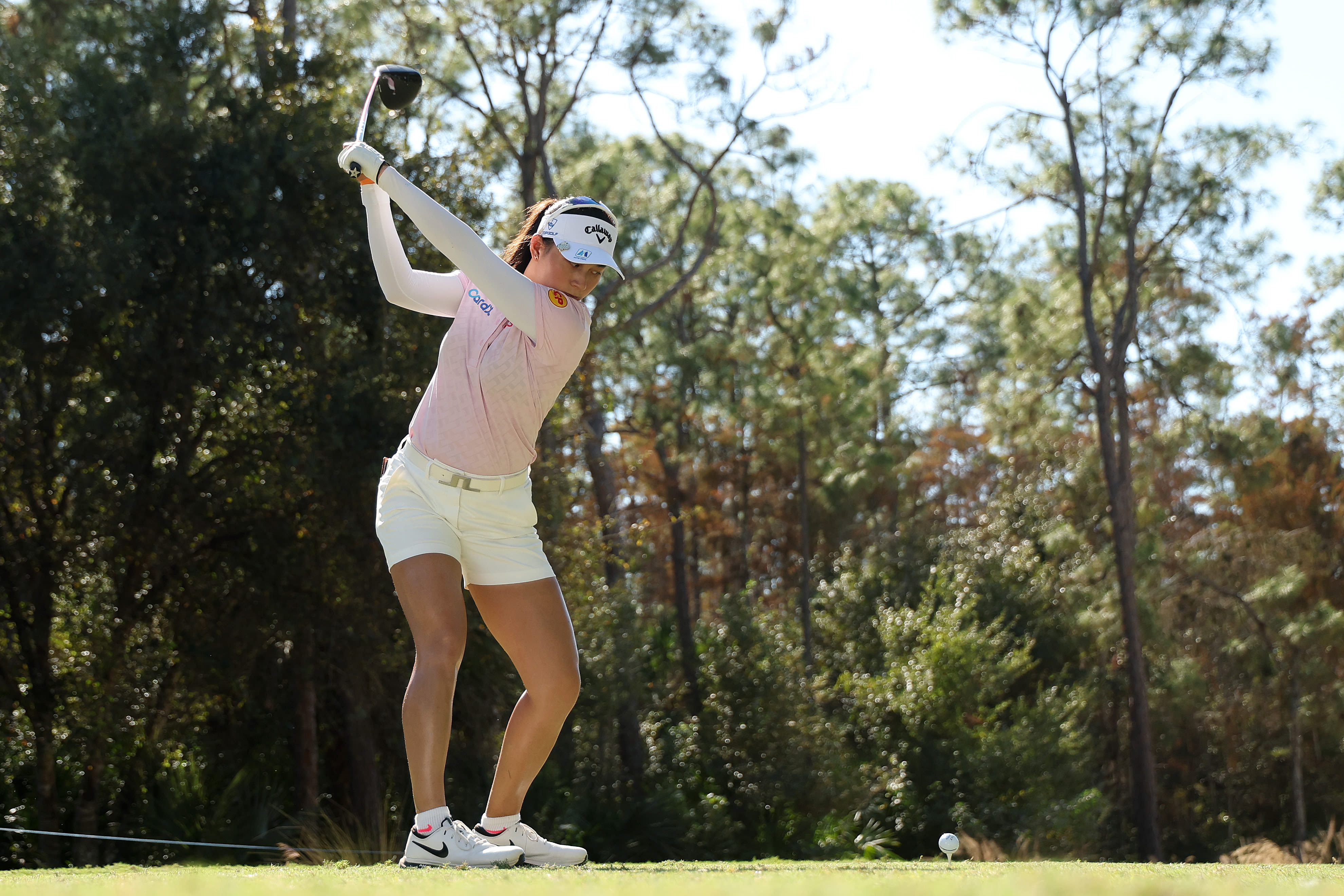
Let’s break down what Jeeno Thitikul, Nelly Korda, Brooke Henderson, and Minjee Lee are showing us this week, and more importantly, how you can apply their strengths to your own game.

Jeeno Thitikul: The Power of Precision Over Distance

Leading at 14-under par, Jeeno is putting on a ball-striking clinic. But here’s what caught my eye: she’s hitting 93% of her fairways (26 of 28) while averaging 275 yards off the tee. That’s not the longest distance out there, yet she’s three shots clear of the field.

The Tip: Master Your Personal Power Zone

Jeeno isn’t trying to be the longest hitter. She’s found her optimal swing speed where she maintains complete control while still generating plenty of distance. This is what I call your “personal power zone,” and it’s one of the most underutilized concepts in amateur golf.

What It Helps: Finding your power zone improves accuracy and consistency, and, ironically, often increases your effective distance because you’re hitting more fairways and better lies.

Why It Works: When you swing at 85-90% of your maximum effort instead of 100%, you maintain better balance, tempo, and face control. Your body can repeat the motion more reliably, and your mind stays calmer throughout the swing.

How to Start: On the range, hit a dozen drives at what feels like 75% effort. Note your carry distance. Then hit a dozen at 90% effort. Compare not just distance, but dispersion pattern. Most players find their sweet spot around 85-87% effort, where they lose only 5-10 yards but gain 50% more fairways. That’s your power zone. Practice living there.

Nelly Korda: The Fairway Finder’s Advantage

Nelly matched Jeeno’s fairway accuracy in round two, going 14 for 14, and she’s done it while averaging 283 yards. At nine-under and tied for fifth, she’s proving that when you eliminate one side of the golf course, scoring becomes significantly easier.

The Tip: Commit to Your Stock Shot Shape

Nelly knows her ball flight and trusts it completely. She’s not trying to hit different shapes on every hole. She’s playing her reliable pattern and aiming accordingly.

What It Helps: This approach reduces decision-making stress, simplifies course management, and builds the kind of confidence that shows up under pressure.

Why It Works: Your brain and body can groove one swing pattern far more effectively than trying to hit multiple shapes. When you know your ball is going to move a certain way, you can aim with conviction and swing without doubt.

How to Start: Spend three range sessions hitting only your natural shot shape. If you fade it, fade every shot. Don’t fight your pattern. Learn exactly how much it curves with each club. Then on the course, aim for that shape and trust it. Give yourself a month of this commitment, and watch your fairways hit percentage climb.

Brooke Henderson: The Short Game Separator

Brooke’s sitting at nine-under, and while her driving distance average of 267 yards is the shortest among these four players, she’s making up for it where it counts. She went 14 for 14 in fairways in round two and has hit 96% of her fairways overall (27 of 28). She’s also hit 30/36 greens in regulation. Here’s the kicker: she’s converted on all but one of her 6 up and down opportunities, that’s an 83% scrambling clip. Pretty solid.

The Tip: Practice Scrambling Like Your Round Depends On It

Brooke understands that perfect ball-striking is a myth. What matters is recovering brilliantly when things go sideways.

What It Helps: A strong short game transforms bogey holes into par saves and par holes into birdie opportunities. It’s the fastest way to lower your scores without changing your swing.

Why It Works: While the long game accounts for the majority of scoring differences between golfers, a strong short game acts as a crucial safety net that prevents round-killing double and triple bogeys. Even great players miss 5-7 greens per round, and your ability to scramble in those moments keeps big numbers off your scorecard and maintains momentum when your ball-striking isn’t sharp.

How to Start: Create a “scrambling circuit” at your practice facility. Drop three balls in different challenging spots around one green: thick rough, a bunker, and a tight lie. You must get up and down with at least two of the three balls before moving to the next green. Do this for 30 minutes twice a week. Your confidence around the greens will skyrocket.

Minjee Lee: The Green (and Pin) Reading Genius

Minjee is also nine-under and has been absolutely surgical with her iron play, hitting 89% of greens in regulation (32 of 36). When you’re giving yourself that many birdie looks, you’re going to score.

The Tip: Prioritize Green Center Over Pin Hunting

Minjee’s GIR percentage tells us she’s not always firing at flags. She’s playing to the fat part of greens and trusting her putting.

What It Helps: This strategy reduces three-putts, eliminates short-sided disasters, and actually creates more birdie opportunities because you’re putting from the green instead of chipping from the rough.

Why It Works: The difference between a 25-foot putt from the center of the green and a 15-foot putt from a tucked pin location is minimal in terms of birdie percentage for most golfers. But the difference between being on the green versus short-sided in rough is massive.

How to Start: For the next five rounds, ignore every pin position. Aim for the center of every green. Track your GIR percentage and your average putts per GIR. Compare it to your previous five rounds. I’m willing to bet you’ll see improvement in both categories, and your scores will drop.

The Common Thread

What ties these four players together isn’t just talent. It’s intelligent, strategic golf. They’ve each identified their strengths and built their games around maximizing those advantages while minimizing weaknesses.

You can do the same thing. Pick one of these four tips and commit to it for the next month. Don’t try to overhaul everything at once. Just choose the area that resonates most with your game and get to work.

That’s how champions are built, one smart decision at a time.

Identifying Your Emotional Patterns on the Golf Course

How Emotional Awareness Improves Performance

From The Modern Psychology of Golf — by Kevin Cotter, PGA

Every golfer has a swing pattern — but fewer realize they also have an emotional pattern.

Your emotional pattern is your internal fingerprint —
the recurring thoughts, reactions, and habits that show up when pressure builds.

“You cannot manage what you do not first recognize.”

Once pressure hits, patterns reveal themselves.

Some golfers fall apart after a bad opening hole.
Others tighten up when they realize they’re on track for a great round.
Some go into “attack mode,” trying to force shots.
Others shift into fear-based golf, just trying not to lose.

A quiet moment of clarity — the golfer pauses, visualizes, and commits before the first tee shot.

The key is this:

You cannot manage what you do not first recognize.

Before you can control your emotions, you have to observe them.

Awareness Comes Before Change

Improving the mental game begins with noticing, not fixing.

We don’t judge.
We don’t label.
We simply observe.

Instead of thinking, “I shouldn’t feel this way,”
we move to “Interesting — this is how I respond in this situation.”

That’s emotional clarity.

How to Identify Your Emotional Patterns (4 Questions to Ask Yourself)

Next time you play, carry these with you (or jot them into a journal afterward):

  1. What situations tend to rattle me the most on the course?
    Opening tee shots… recovery shots… protecting a good score?
  2. When do I usually lose focus most often?
    After a mistake… or after something good happens?
  3. What does the voice in my head say when I’m under pressure?
    Is it supportive… or critical?
  4. How does my body respond when I feel frustrated or anxious?
    Tension? Quick tempo? Shoulders tighten? Breath shortens?

The more specific your answers, the faster your growth.

Why This Matters

Once you identify your emotional patterns, you can:

  • Interrupt negative spirals sooner
  • Build routines that stabilize your mindset
  • Stay composed during high-pressure moments
  • Play the round you’re capable of — not one hijacked by emotion

Emotional mastery doesn’t mean you stop feeling pressure.
It means the pressure no longer controls you.

If you want to build consistency, confidence, and emotional control — not just once, but every round — you’ll love:

📘 The Modern Psychology of Golf
Your blueprint for mastering golf’s invisible game.

👉 Learn more here.

And for daily reflection and improvement:

✏️ The Modern Psychology of Golf Journal
Train your mind like you train your swing — one round at a time.

👉 Check out the journal here.