
Cameron Young’s Winning Plan: 4 Golf Lessons You Can Use Right Now

quick coaching

By Brendon Elliott, PGA

Published on Monday, March 16, 2026
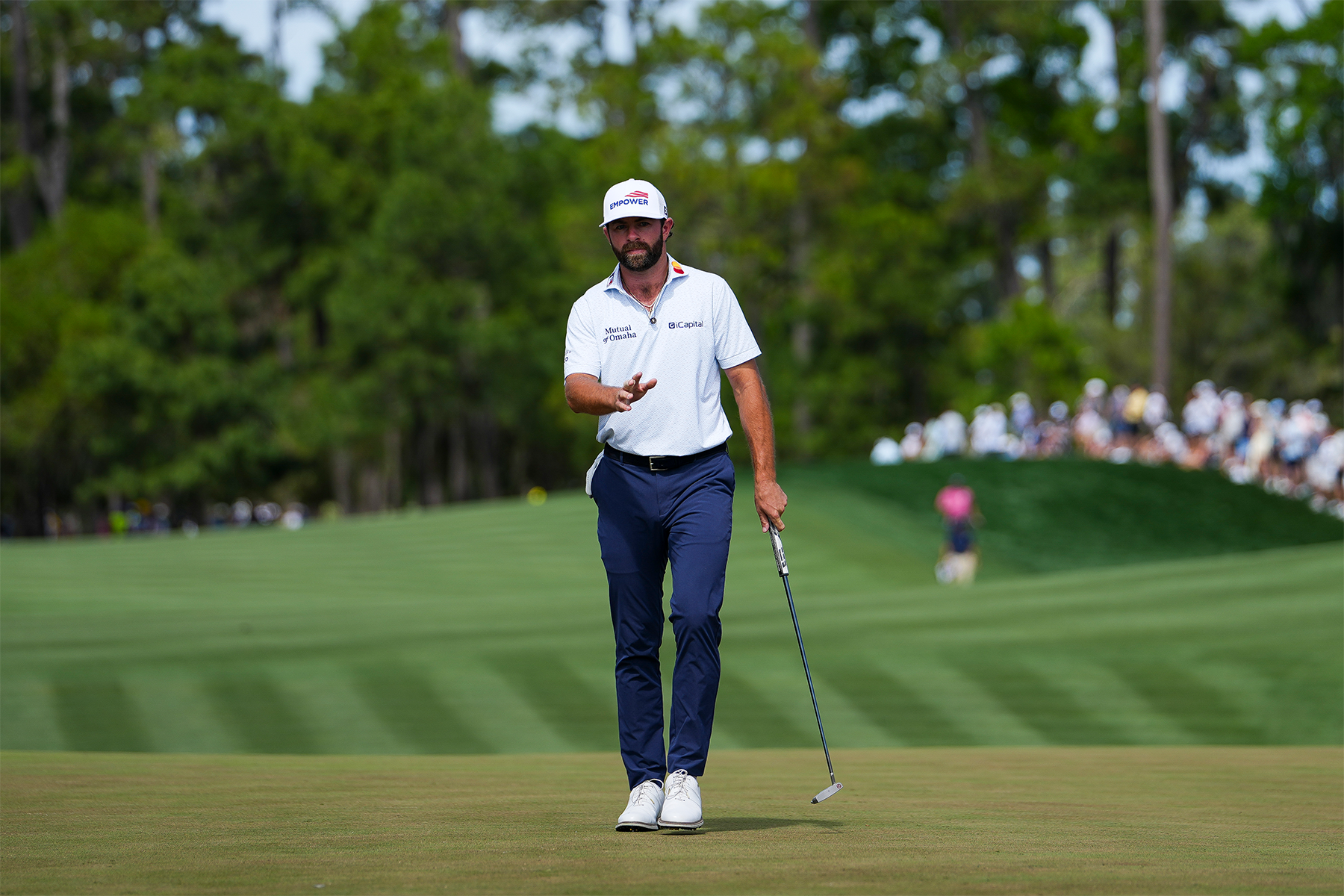
Cameron Young’s win at THE PLAYERS Championship was obviously fueled by talent, but that is not the part most golfers should focus on. Yes, he has speed. Yes, he can hit shots most players can only imagine. But his victory at TPC Sawgrass on Sunday came from something far more useful to the average golfer: he played organized golf under pressure. Young started the final round four shots back, shot 68, and won by one over Matt Fitzpatrick for his second PGA TOUR title.

That is why his week is worth studying.

The stat sheet from his performance at TPC Sawgrass tells the story clearly. Young gained 7.075 strokes on approach shots and 4.818 on the greens. He hit 70.83 percent of his greens in regulation, scrambled at 76.19 percent, made 20 birdies and just five bogeys on the week. That is not one club getting hot. That is a player keeping his game in order from start to finish.

For the average golfer, that is the real takeaway. You do not need Cameron Young’s clubhead speed to borrow Cameron Young’s blueprint.

1. Play for position, not perfection

Many amateur mistakes begin on the tee. Golfers fall in love with the idea of a perfect drive and forget the point of the shot. The goal is not to impress yourself or your buddies. The goal is to set up the next shot.

Young’s numbers are a good reminder of that. He gained strokes off the tee for the week, but he hit 60.71 percent of his fairways, which is solid, not flawless. He did not need perfect driving to win. He needed playable driving. He kept the ball moving forward and gave himself chances to attack from reasonable spots.
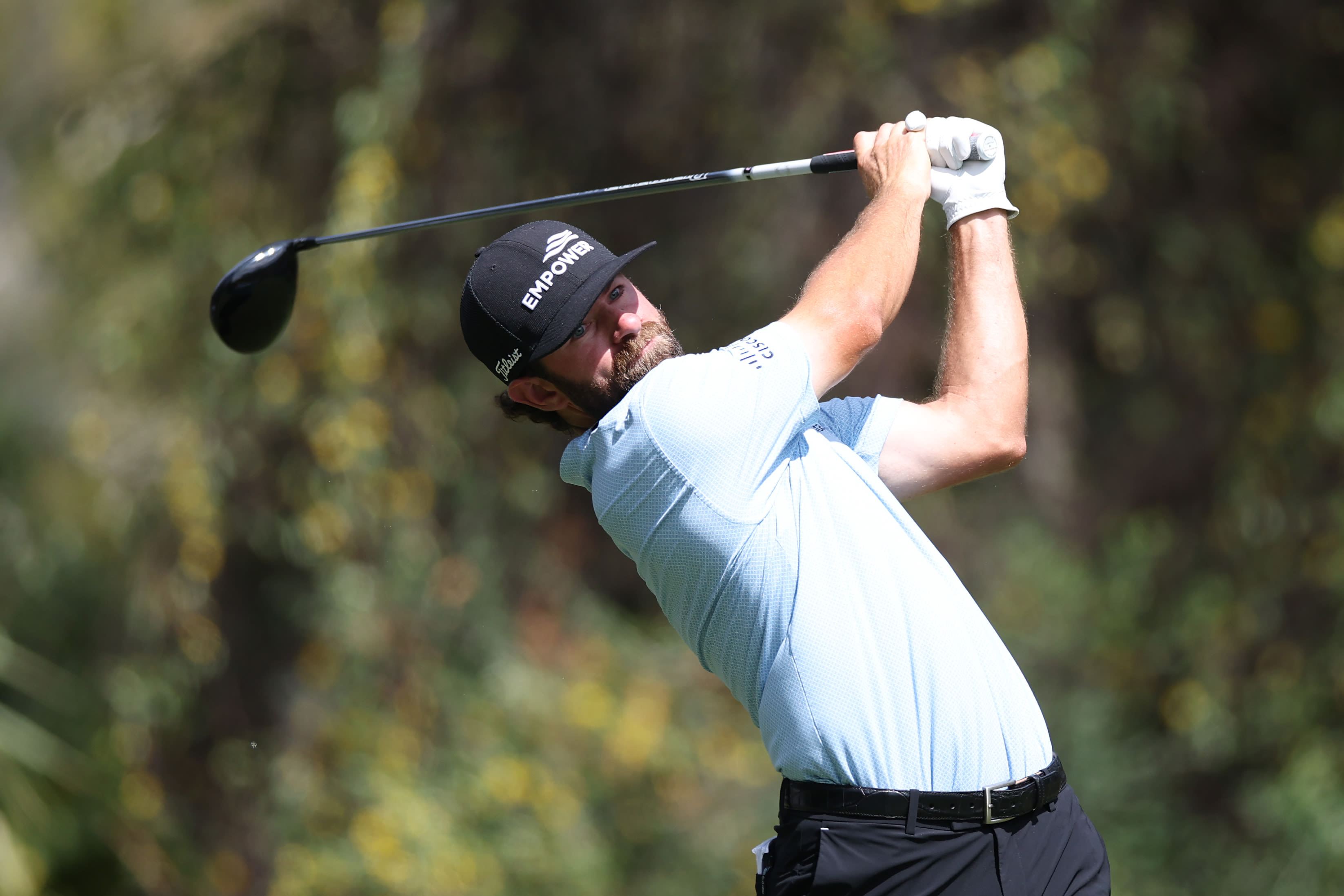
That is a helpful course-management rule for everybody: choose the tee shot that gives you the easiest next shot. Sometimes that is the driver. Sometimes it is a 3-wood. Sometimes it is a club that leaves a few more yards but takes the big miss out of play. Golf gets a lot simpler when you stop trying to hit your absolute best drive and start trying to hit your most reliable one.

2. Aim at greens like a scorer, not a hero

Young’s week was built on iron play. Gaining more than seven strokes on approach at Sawgrass is a huge number, and hitting 51 of 72 greens means he kept giving himself opportunities while staying out of trouble.

That should sound familiar to any golfer who has ever wrecked a scorecard by chasing a tucked flag.

Most players do not need to aim closer. They need to aim smarter. If the pin is cut near water, a bunker, or a steep run-off area, the best target is often the fat side of the green. That does not mean playing scared. It means understanding what actually lowers scores. More greens. Fewer short-sided misses. More putts from 20 feet. Fewer chips from a tricky lie.

Young’s iron play this week was sharp, but it was also disciplined. There is a difference. Good scoring usually comes from repeating sound targets, not from pulling off miracle shots.

3. Make your short game about saving holes

One reason Young was able to keep pressure on the field all week was that his misses did not spiral. He led the field in scrambling at 76.19 percent and went 4-for-5 in sand saves. When he missed, he recovered. That is a skill every golfer can build.
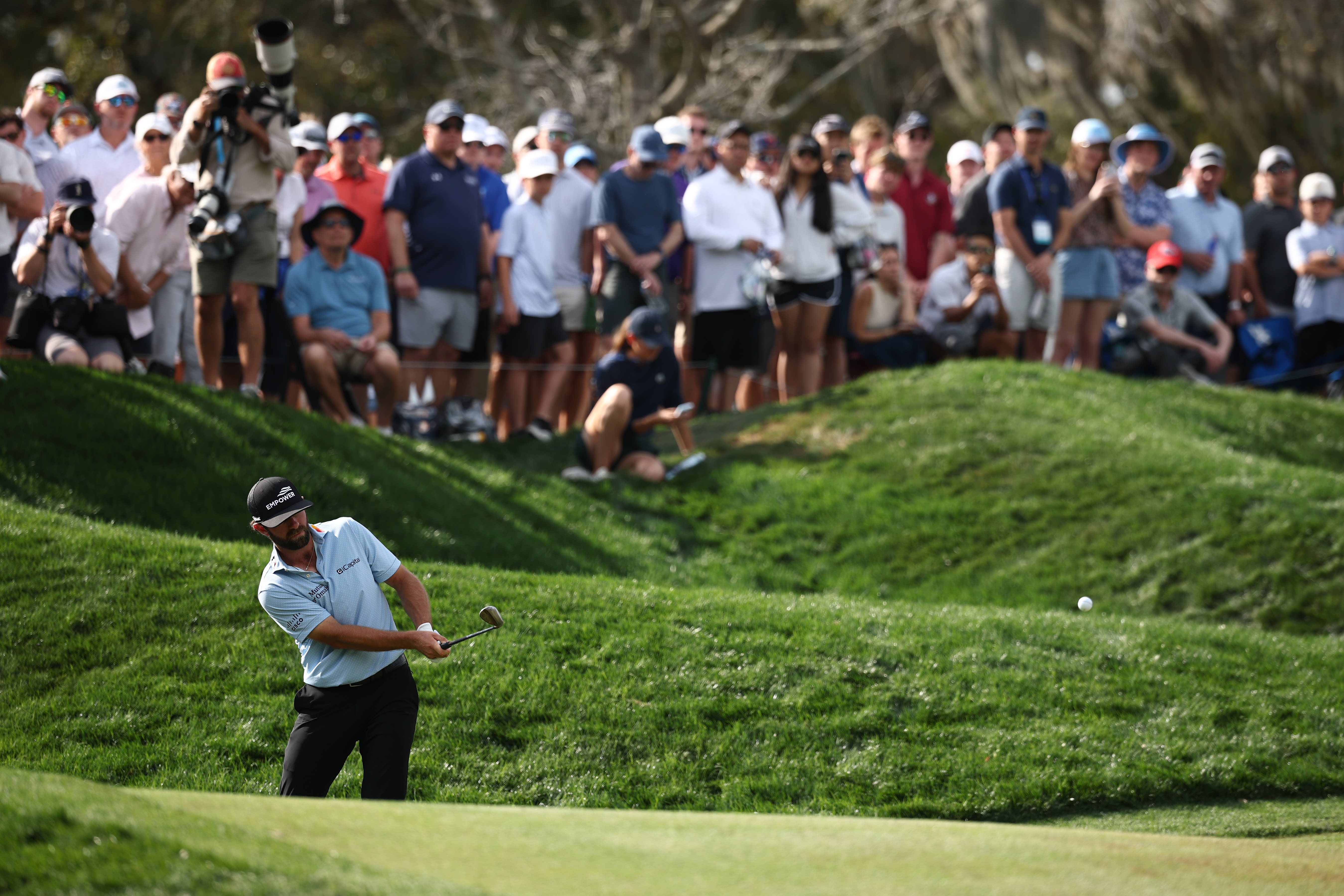
The short game should not just be something you work on when the rest of your game feels broken. It should be part of your scoring plan.

Too many golfers practice chipping in a way that looks nice but does not help much. They drop a handful of balls in one perfect lie and hit the same shot over and over. Then they get on the course, short-side themselves from rough or sand, and panic.

A better approach is to practice variety. One chip from a tight lie. One pitch with less green to work with. One bunker shot. One basic runner. One shot from light rough. Give yourself a score and try to get up and down. That is the kind of practice that actually transfers to the course.

4. Putt to take stress out of the hole

Young also gained nearly five strokes putting for the week, and that matters because strong putting is not only about making birdies. It is also about refusing to give shots away. He made only five bogeys all week, which tells you a lot about how cleanly he managed rounds at a course that punishes loose mistakes.
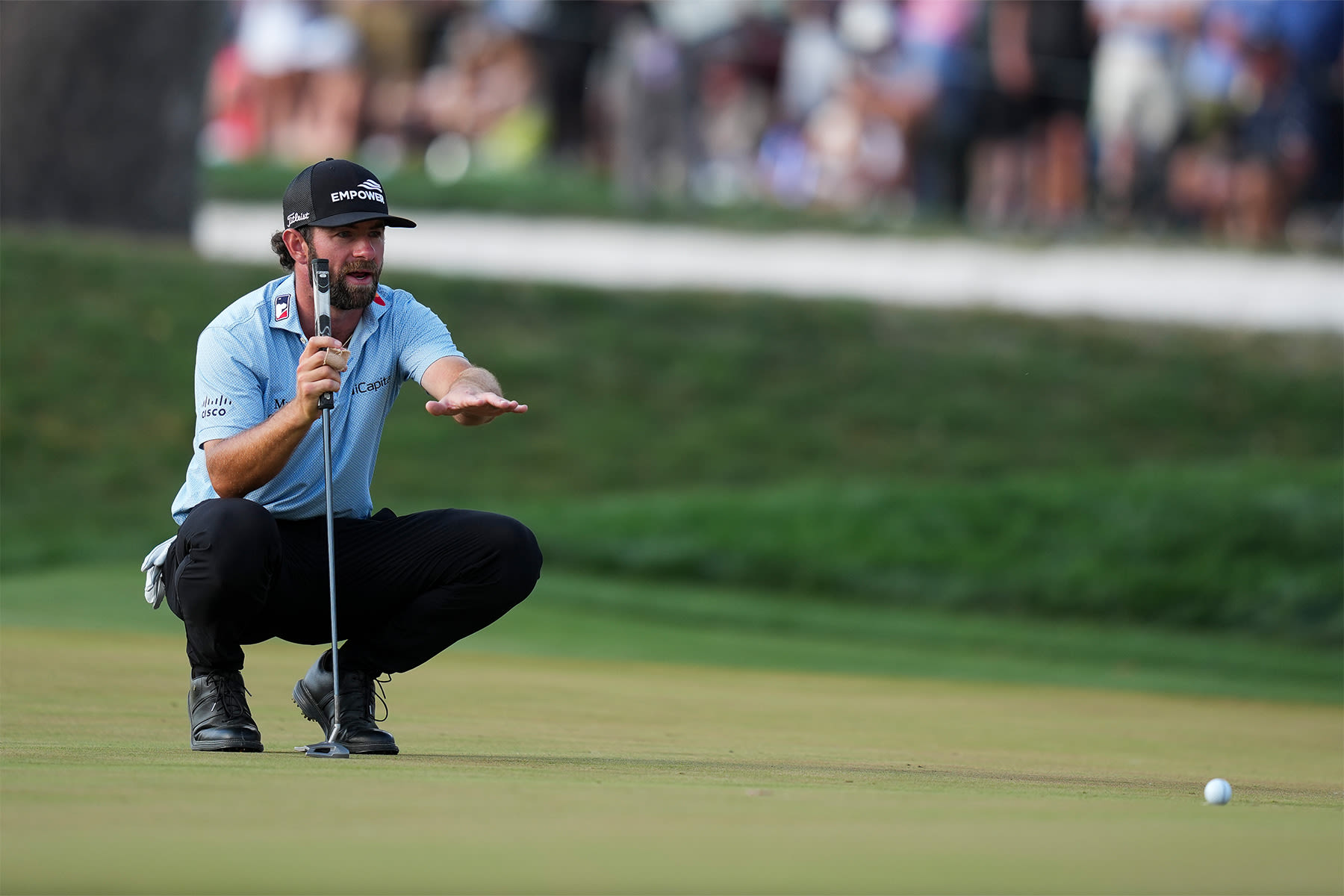
For most golfers, better putting starts with better expectations.

From 30 feet, the job is to cozy the ball down near the hole. From 6 feet, the job is to make a committed stroke. From 3 feet, the job is to trust your routine and finish the hole. That sounds basic, but so many players make putting harder than it needs to be by treating every putt like a must-make event.

If you want a smarter practice split, spend most of your putting time in two zones: lag putts from 25 to 40 feet and short putts from 3 to 6 feet. That is where scorecards change.

Recap

Young’s PLAYERS win was a reminder that great golf does not always look wild or dramatic. Sometimes it looks steady. The ball stays in play. The irons find the right parts of the greens. The short game cleans up mistakes. The putter keeps panic out of the round.

You may never hit it like Cameron Young. Almost nobody can. But you can absolutely play with more discipline, make better decisions and turn your own game into something more repeatable.

That is the part of his win worth borrowing.
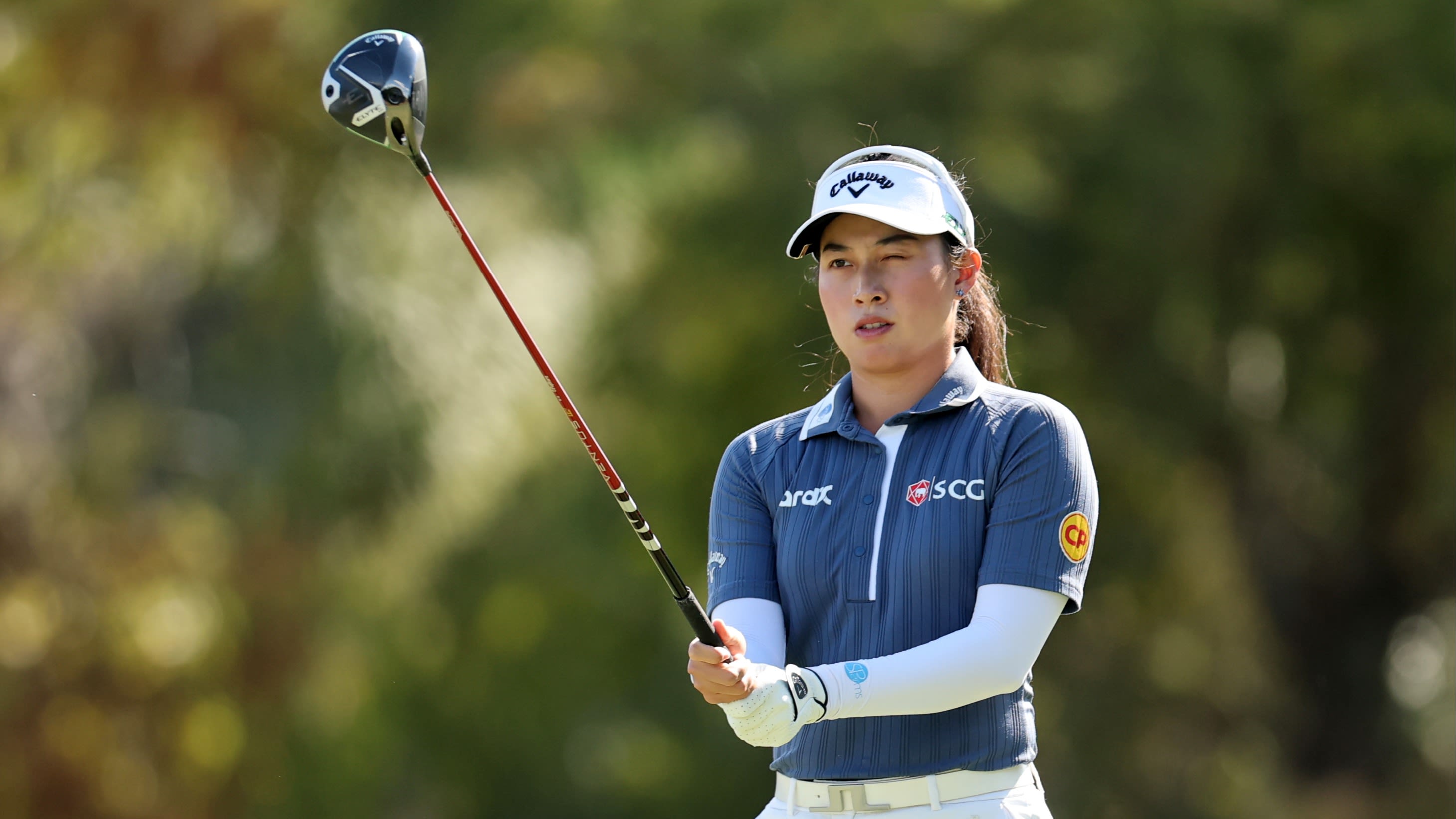
4 Essential Golf Tips From Jeeno Thitikul, Nelly Korda, Brooke Henderson & Minjee Lee

By Brendon Elliott, PGA

Published on Saturday, November 22, 2025

The leaderboard at the CME Group Tour Championship tells a story that goes beyond scores and prize money.

After two rounds in Naples, Florida, we’re watching four of the world’s finest players demonstrate what separates good golf from great golf. And here’s the thing: the lessons they’re teaching us aren’t reserved for tour professionals.

Let’s break down what Jeeno Thitikul, Nelly Korda, Brooke Henderson, and Minjee Lee are showing us this week, and more importantly, how you can apply their strengths to your own game.

Jeeno Thitikul: The Power of Precision Over Distance

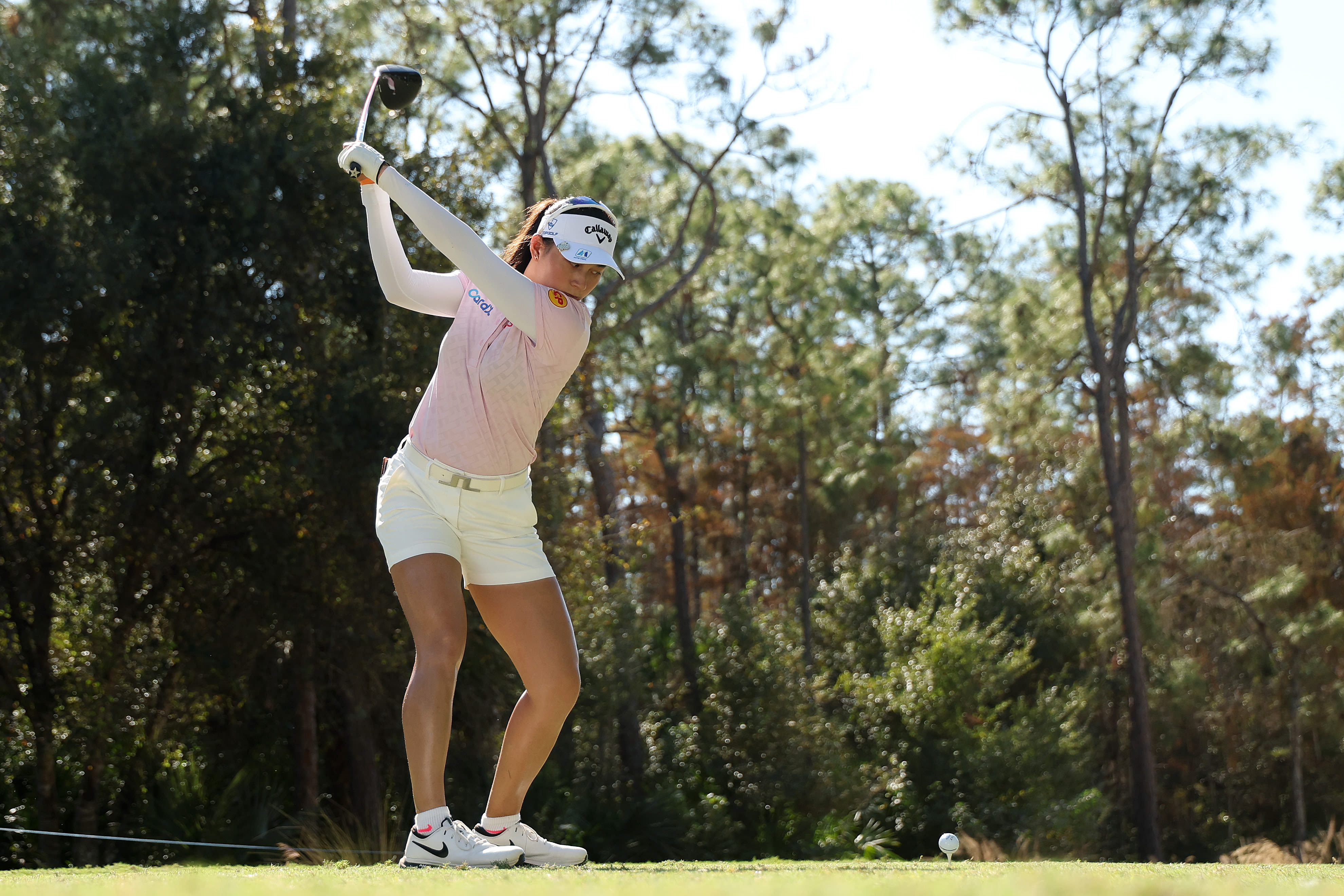
Leading at 14-under par, Jeeno is putting on a ball-striking clinic. But here’s what caught my eye: she’s hitting 93% of her fairways (26 of 28) while averaging 275 yards off the tee. That’s not the longest distance out there, yet she’s three shots clear of the field.

The Tip: Master Your Personal Power Zone

Jeeno isn’t trying to be the longest hitter. She’s found her optimal swing speed where she maintains complete control while still generating plenty of distance. This is what I call your “personal power zone,” and it’s one of the most underutilized concepts in amateur golf.

What It Helps: Finding your power zone improves accuracy and consistency, and, ironically, often increases your effective distance because you’re hitting more fairways and better lies.

Why It Works: When you swing at 85-90% of your maximum effort instead of 100%, you maintain better balance, tempo, and face control. Your body can repeat the motion more reliably, and your mind stays calmer throughout the swing.

How to Start: On the range, hit a dozen drives at what feels like 75% effort. Note your carry distance. Then hit a dozen at 90% effort. Compare not just distance, but dispersion pattern. Most players find their sweet spot around 85-87% effort, where they lose only 5-10 yards but gain 50% more fairways. That’s your power zone. Practice living there.

Nelly Korda: The Fairway Finder’s Advantage

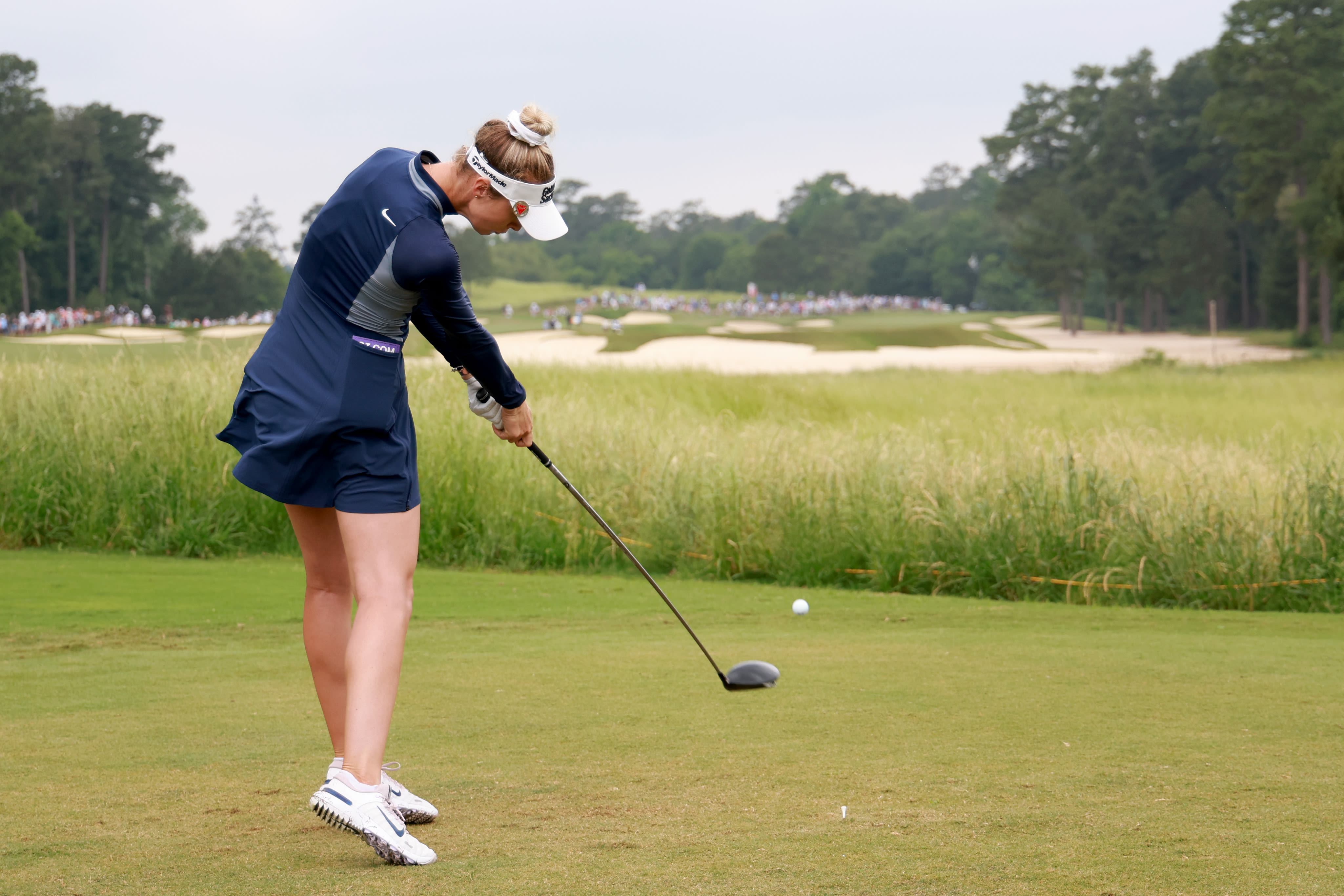
Nelly matched Jeeno’s fairway accuracy in round two, going 14 for 14, and she’s done it while averaging 283 yards. At nine-under and tied for fifth, she’s proving that when you eliminate one side of the golf course, scoring becomes significantly easier.

The Tip: Commit to Your Stock Shot Shape

Nelly knows her ball flight and trusts it completely. She’s not trying to hit different shapes on every hole. She’s playing her reliable pattern and aiming accordingly.

What It Helps: This approach reduces decision-making stress, simplifies course management, and builds the kind of confidence that shows up under pressure.

Why It Works: Your brain and body can groove one swing pattern far more effectively than trying to hit multiple shapes. When you know your ball is going to move a certain way, you can aim with conviction and swing without doubt.

How to Start: Spend three range sessions hitting only your natural shot shape. If you fade it, fade every shot. Don’t fight your pattern. Learn exactly how much it curves with each club. Then on the course, aim for that shape and trust it. Give yourself a month of this commitment, and watch your fairways hit percentage climb.

Brooke Henderson: The Short Game Separator

Brooke’s sitting at nine-under, and while her driving distance average of 267 yards is the shortest among these four players, she’s making up for it where it counts. She went 14 for 14 in fairways in round two and has hit 96% of her fairways overall (27 of 28). She’s also hit 30/36 greens in regulation. Here’s the kicker: she’s converted on all but one of her 6 up and down opportunities, that’s an 83% scrambling clip. Pretty solid.

The Tip: Practice Scrambling Like Your Round Depends On It

Brooke understands that perfect ball-striking is a myth. What matters is recovering brilliantly when things go sideways.

What It Helps: A strong short game transforms bogey holes into par saves and par holes into birdie opportunities. It’s the fastest way to lower your scores without changing your swing.

Why It Works: While the long game accounts for the majority of scoring differences between golfers, a strong short game acts as a crucial safety net that prevents round-killing double and triple bogeys. Even great players miss 5-7 greens per round, and your ability to scramble in those moments keeps big numbers off your scorecard and maintains momentum when your ball-striking isn’t sharp.

How to Start: Create a “scrambling circuit” at your practice facility. Drop three balls in different challenging spots around one green: thick rough, a bunker, and a tight lie. You must get up and down with at least two of the three balls before moving to the next green. Do this for 30 minutes twice a week. Your confidence around the greens will skyrocket.

Minjee Lee: The Green (and Pin) Reading Genius

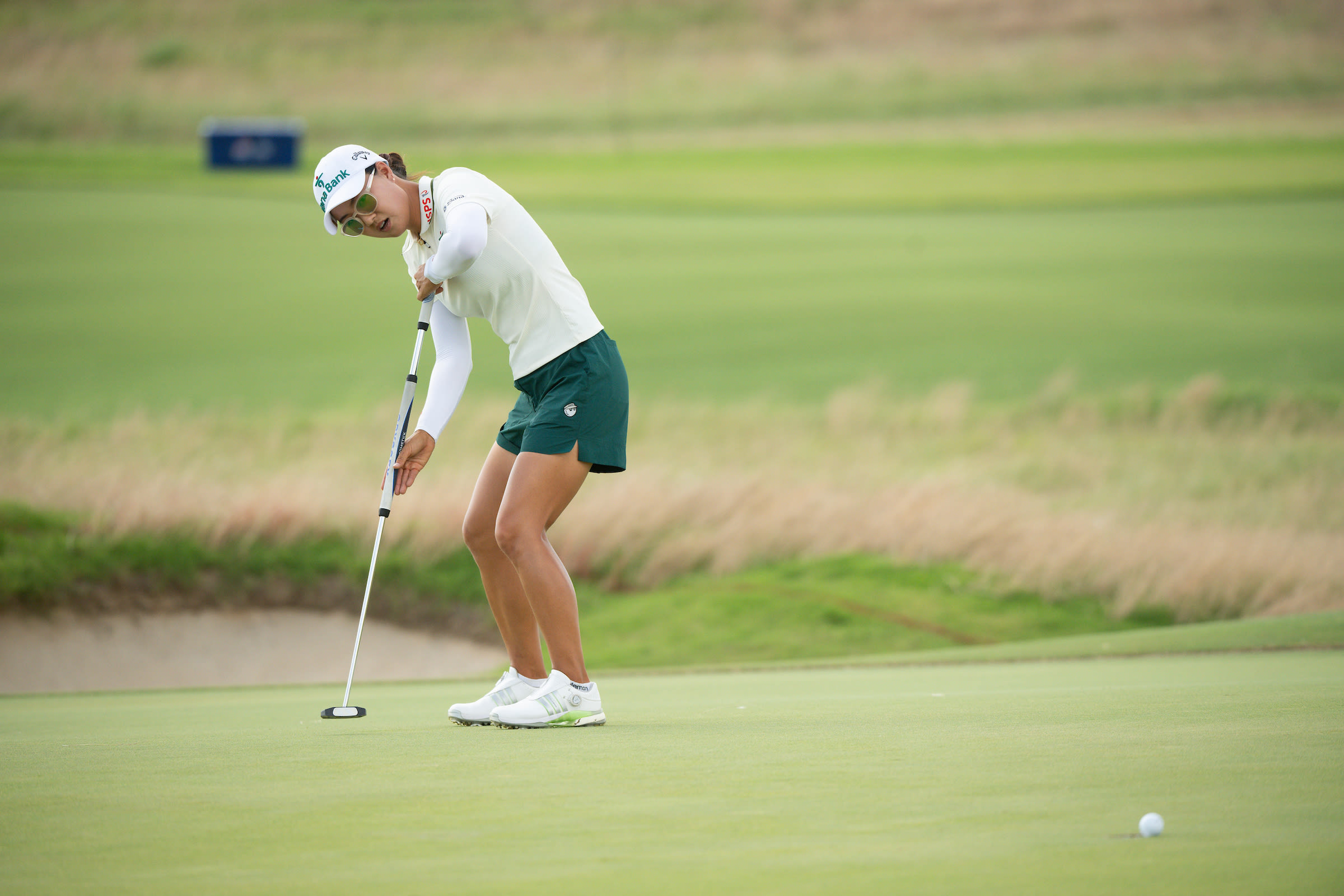
Minjee is also nine-under and has been absolutely surgical with her iron play, hitting 89% of greens in regulation (32 of 36). When you’re giving yourself that many birdie looks, you’re going to score.

The Tip: Prioritize Green Center Over Pin Hunting

Minjee’s GIR percentage tells us she’s not always firing at flags. She’s playing to the fat part of greens and trusting her putting.

What It Helps: This strategy reduces three-putts, eliminates short-sided disasters, and actually creates more birdie opportunities because you’re putting from the green instead of chipping from the rough.

Why It Works: The difference between a 25-foot putt from the center of the green and a 15-foot putt from a tucked pin location is minimal in terms of birdie percentage for most golfers. But the difference between being on the green versus short-sided in rough is massive.

How to Start: For the next five rounds, ignore every pin position. Aim for the center of every green. Track your GIR percentage and your average putts per GIR. Compare it to your previous five rounds. I’m willing to bet you’ll see improvement in both categories, and your scores will drop.

The Common Thread

What ties these four players together isn’t just talent. It’s intelligent, strategic golf. They’ve each identified their strengths and built their games around maximizing those advantages while minimizing weaknesses.

You can do the same thing. Pick one of these four tips and commit to it for the next month. Don’t try to overhaul everything at once. Just choose the area that resonates most with your game and get to work.

That’s how champions are built, one smart decision at a time.